MVP Enterprise Developer Portal

Design oversight on 0-1 enterprise portal for game tooling at Riot Games, working closely with cross-functional teams to define, iterate, and simplify complex workflows.
The goal was to help Riot scale from single to multi-game operations, improving cost efficiency and system knowledge for users across Riot's game portfolio.
Company + Project Intro


Project Overview
Background
For over a decade Riot was a single game startup operating in silo's. As the studio expanded their product offerings, that silo'd building continued, but became increasingly challenging and expensive to support and maintain. The successful launch of this developer portal was a key success metric for the company, allowing the company to more effectively grow, by improving costs and efficiency.
Challenge
Create a unified portal that could serve multiple use case and teams across the globe, while reducing complexity and onboarding time for new teams.
Context + Goals
Key Responsibilities + Outcomes
We were essentially a startup on live, legacy systems lacking consistency across teams, best practices, or historical clarity.
I needed to learn alongside the team, becoming an SME tasked with defining and implementing the below goals and outcomes, allowing the company to improve growth and cost effeciency.
Define
Scalable IA, allowing the system to grow efficiently with future features.
Improve self service knowledge gathering for users
Best practices while allowing teams to customize to suit their needs.
Patterns within the same interface for new and power users.
Account for less technical users where appropriate.
Improve
Workflow safety
Knowledge gathering
Information clarity
Task focus
Reduce
Unnecessary and avoidable human errors
Reduce build and onboarding time
Costs from supporting complex, bifurcated systems
Information overload
Process & Solutions
Research & Gather Knowledge
The Process
To create for an audience you need to make sure you are solving the right problems for them. Identify where the problem solving value is for those users, and improve their workflow.
We were both learning and creating from the ground up, understanding and defining best practices - together - around to how features could, and should be used across products. We were a small team that needed to be nimble, and creating alignment helped maintain our velocity and scale appropriately.
How did we deal with solutions on live services...
Delivered Work

Guided Experience On Dashboard For New Users

Broad Helpful Information & Segmented Access To Features
Defining Best practices
Users were guided through the workflow starting at login. Errors and missing access provided the ability to easily return back a step, request access or contact support to gather more information. Helpful content with FAQ as well as links to our documentation site was easily accessible, so users could self learn features as needed.
How were best practices were defined, and arrived at
Delivered Work
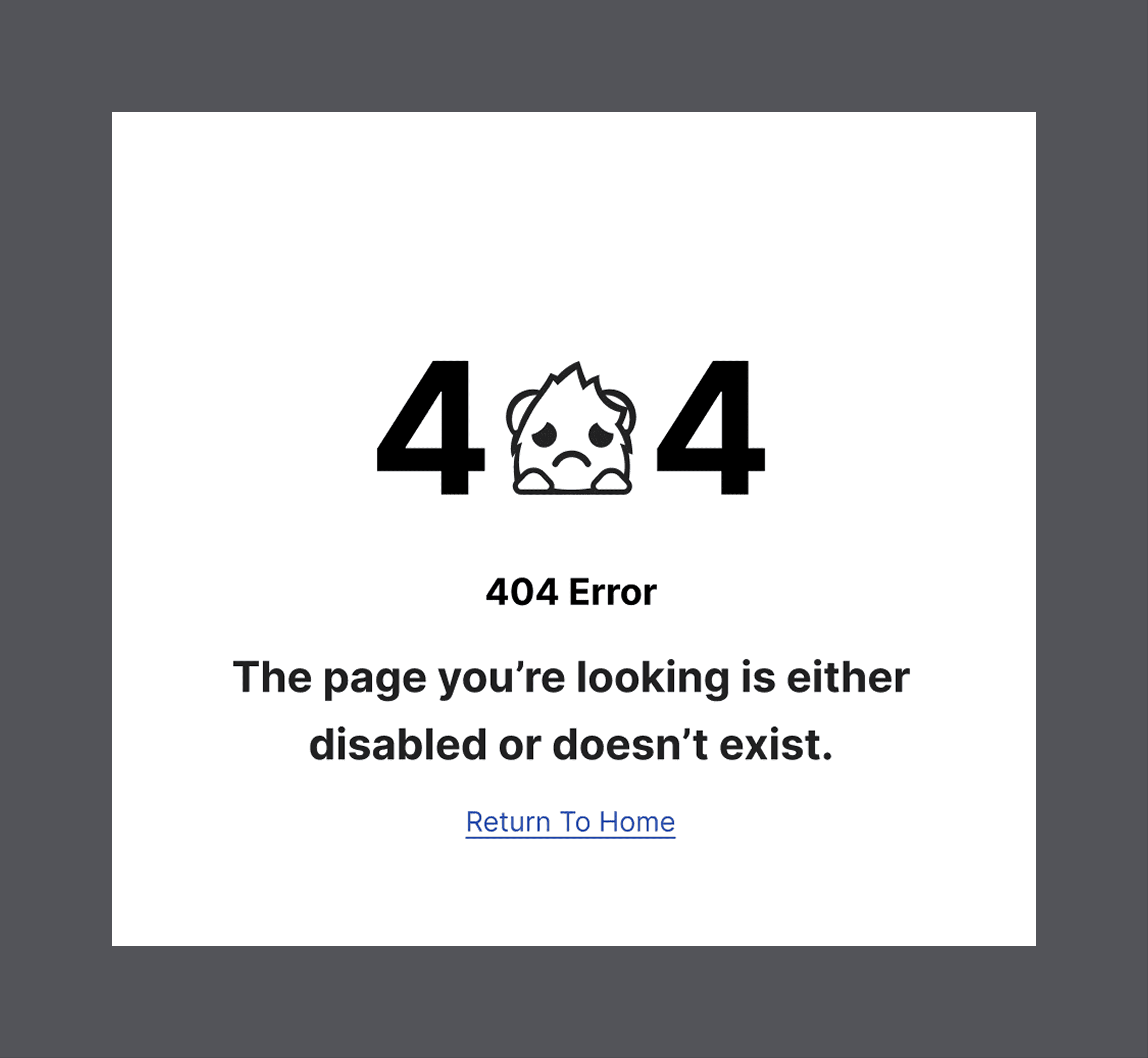
Guide To Safety Even With Generic Error

Branded Login Page

Using The System To Deliver Error Information To Team

IAM Feature Control With Easy Access Request
Iterate + Improve
Information was presented in a way so the primary information was front and center, with additional steps able to be dug into should the user want to look into additional options.
How did we build a plane while flying it?
Delivered Work


Outcomes + Learnings
From baseline knowledge, to launch and beyond
Did our MVP succeed?
YES! We delivered a baseline system with scalable features allowing us to grow our platform offerings, and improve the experience of managing content.
Bumps along the way included challenges around alignment, allocation of engineering work, and communication. We had one FE developer and were reverse engineering the logic of live data without previous documentation clarity.
What if we had more time?
The ability to bring teams into the process as we were developing, to create something even more informed by testing.
Post Launch
Working with our PM, I organized and refined next step research, working with users/partner teams to further improve the product through surveys and conversations, while walking users through how to use the features as an SME.
